Do I Need to Create a Schedule for My Puppy?
Yes! The sooner you establish a routine, the faster your puppy will adjust to its new home—and the easier it will be for both of you. A consistent schedule helps set expectations for behavior, housetraining, and daily activities, making life smoother for everyone.
Puppy Crate Training Schedule
- Flexibility is key: Adapt the schedule to fit your work hours, meal times, and when you can take your puppy outside.
- Observe your puppy: Pay attention to signs that your puppy needs to go to the bathroom, like restlessness or sniffing around, and take them out accordingly.
- Gradually increase the time between breaks: As your puppy gets better at holding their bladder, you can gradually increase the time between potty breaks.
Setting clear routines now will prevent bad habits later. Below is a sample schedule to get you started, but feel free to adjust it based on your puppy’s needs.
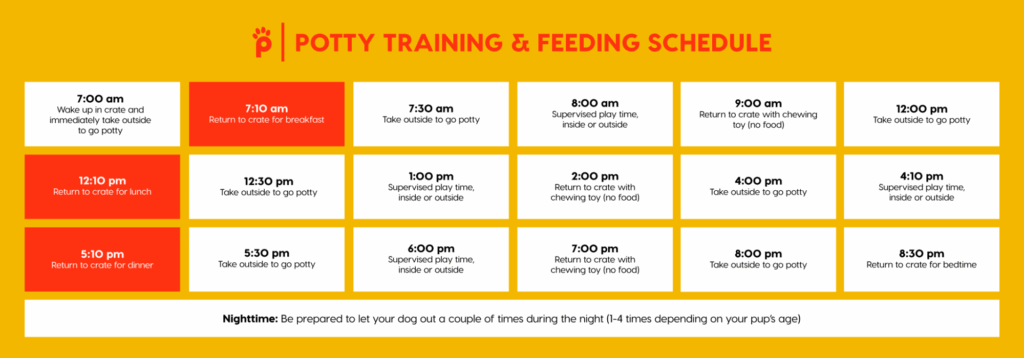
The sample schedule below is a good place to start; you may need to tailor it to suit your puppy and daily schedule.
Example Crate Training Schedule
TIME |
ACTIVITY |
|---|---|
| 7:00 AM | Wake up in the crate and immediately take outside to go potty |
| 7:10 AM | Return to crate for breakfast |
| 7:30 AM | Take outside to go potty |
| 8:00 AM | Supervised playtime, inside or outside |
| 9:00 AM | Return to crate with chewing toy (no food) |
| 12:00 PM | Take outside to go potty |
| 12:10 PM | Return to crate for lunch |
| 12:30 PM | Take outside to go potty |
| 1:00 PM | Supervised playtime, inside or outside |
| 2:00 PM | Return to crate with chewing toy (no food) |
| 4:00 PM | Take outside to go potty |
| 4:10 PM | Supervised playtime, inside or outside |
| 5:10 PM | Return to crate for dinner |
| 5:30 PM | Take outside to go potty |
| 6:00 PM | Supervised playtime, inside or outside |
| 7:00 PM | Return to crate with chewing toy (no food) |
| 8:00 PM | Take outside to go potty |
| 8:30 PM | Return to crate for bedtime |
| Nighttime: Be prepared to let your dog out a couple of times during the night (1-4 times depending on your pup’s age) | |
Download & Print Image Version
Sample Puppy Feeding Schedule
- Frequent small meals: Young puppies need smaller meals more often due to their fast metabolism.
- Consistency is key: Try to feed your puppy at the same time each day.
- Monitor weight: Adjust the amount of food based on your puppy’s weight and activity level.
- Access to fresh water: Ensure your puppy has access to clean drinking water. We recommend pulling up the water a couple of hours before bedtime while potty training.
Your Puppy’s Daily Schedule
Feeding Schedule
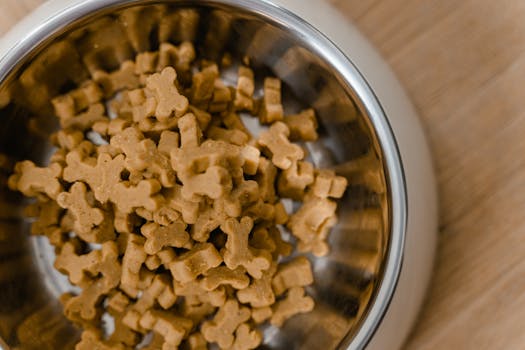
Unlike adult dogs that eat once or twice a day, puppies need three meals a day to support their rapid growth and energy levels. A simple way to remember this is to align their mealtimes with your own—breakfast, lunch, and dinner. Always provide fresh water, cleaning and refilling the bowl regularly.
Potty Breaks
To help with housetraining, take your puppy outside every two to four hours and after any major activity change, such as waking up, playing, or eating. A consistent routine will minimize accidents and teach them where to go.
Naps & Bedtime
Puppies sleep a lot—16 to 18 hours a day—so scheduled nap times are important. Make sure they have a quiet, comfortable space to rest, away from distractions. Teach family members, especially young children, to let the puppy sleep undisturbed. A crate in a quiet area can be a great way to ensure they get the rest they need.