Best Dog Ear Cleaning Solutions:
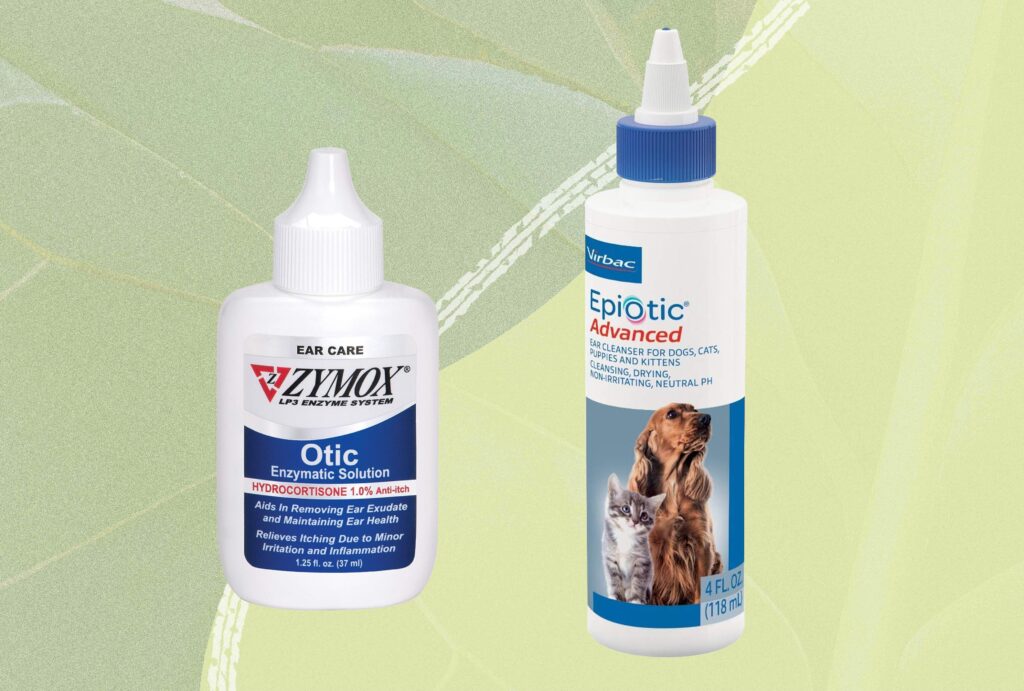
I recommend the vet-approved ear cleaning solution called Virbac Epi-Otic.
If your dog already has signs of a possible ear infection, then I recommend using Zymox.
I’ve had better results with Zymox than the treatments I’ve spent hundreds of dollars and multiple visits to the vet for. Just my honest opinion and experience.
How to Clean Your Dog’s Ears:
- Proper cleaning solution: Always use a vet-recommended ear cleaner designed for dogs.
- Application: Drop ear cleaner into the ear canal and gently massage the base of the ear after applying the solution. Use cotton balls to wipe away any visible debris, ensuring you only clean as far as you can see into the ear canal; it’s important to avoid inserting anything too deeply into the ear canal.
IMPORTANT WARNINGS:
- Remember, NOT TO overdo ear cleaning or ear hair plucking because this can also cause issues in the ear like ear canals drying out, which leads to irritation (and pain) which could eventually cause an ear infection to develop.
- Once a month, a gentle ear cleaning should be good enough for most dogs.
- You may notice infections start after a visit to the groomer or ear hair plucking because overdoing ear hair plucking can also lead to irritation, inflammation, and potential infection within the ear canal due to microscopic tears caused by excessive pulling of hairs, even if the dog doesn’t have a history of ear issues; it’s generally considered best practice to only pluck ear hair when necessary, especially if your dog has sensitive ears, skin or recurring ear infections.

Why Do Labradoodles Ear Infections?
Labradoodles and other dog breeds can get ear infections for several reasons, including allergies, ear mites, and foreign objects.
Allergies:
- Environmental allergies: Can break down the skin barrier and increase wax production
- Food allergies: Can cause ear infections in 65–80% of dogs with food sensitivities
Ear mites:
- Ear mites are parasites that can infect a dog’s ear canal
- A prescription of NexGard or an over-the-counter medication like Miracle Care Medication can treat ear mites
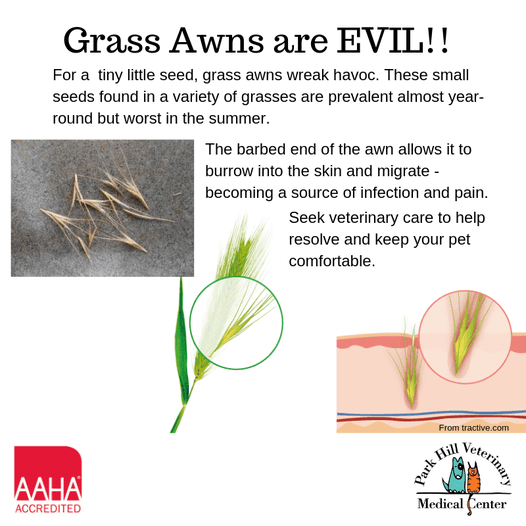
Foreign objects: Grass Awns & Foxtails
- Foxtail and other grass awns are especially dangerous to dogs during the late summer and fall months when they begin to dry out. Grass awns can get stuck in your dog’s ear and skin which if can lead to serious or deadly results! Check your dog’s paws and ears after romping through the grass!


Other Ear Infection Causes:
- Hypothyroidism: An endocrine issue that can cause skin and ear infections
- Hyperadrenocorticism: A condition where the adrenal glands produce too much cortisol, making it harder for the body to fight infection
- Trauma: Deep scratches or other injuries to the ear canal can cause infections
- Swimming or bathing: Can introduce moisture into the ear canal
- Grooming practices: Plucking too much hair or using Q-tips to deep into the ear canal can cause problems
Signs of an ear infection:
- Redness or irritation of the ear canal or ear leather
- Excessive dirt
- Excessive grease production
- Odor
- Pain
- Itchiness
- Scabbing or crusting
- Head shaking
Serious Infection Symptoms:
If you’ve been treating your dog at home for a few days already and they begin to show symptoms like the ones listed below then it is time to take them to the veterinarian.
- Swelling: The ear flap or ear canal may become red and swollen
- Behavior changes: Dogs may act differently than usual
- Balance issues: A head tilt is a common symptom of an ear infection in dogs, often indicating that the infection has reached the inner ear and is causing balance issues; if your dog is tilting their head to one side, it’ll usually be towards the side of the infected ear.
- Skin is Hot to the touch or fever
Signs of Yeast Ear Infection!
Yeast Infections in the Ear (Otitis):
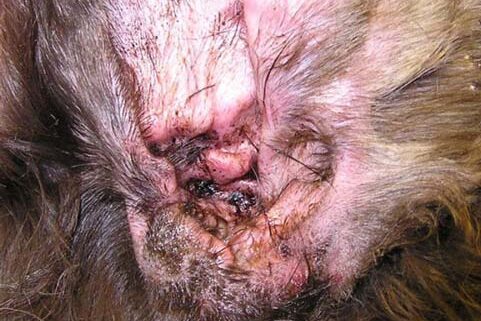
Yeast infections of a dog’s ear (yeast otitis) cause a thick, odorous discharge and a whole lot of itching. They can occur in the external (otitis externa) or middle (otitis media) part of the ear, and dogs will scratch their ears and shake or tilt their heads for relief.
Yeast – Signs and Symptoms:
If your dog has a yeast ear infection, you may notice one or more of the following symptoms: Red or brown waxy discharge in the ear. Itching, scratching & pawing at the ear. A cheesy or musty smell coming from the ear. A sniff test will usually tell you if something is off.
Bacterial and fungal ear infections in dogs can have similar symptoms, but a veterinarian can tell the difference with a sample of ear discharge.
Yeast ear infections tend to cause more irritation resulting in more intense and continuous scratching. Bacterial ear infections will still cause redness, inflammation, and scratching. But will typically not cause as much irritation as yeast infections.
- Discharge: A hallmark sign of a brewing ear infection or an active infection is the presence of discharge, often dark brown, crumbly, or yellow, with a waxy or cheesy texture.
- Itching and discomfort: Dogs with yeast ear infections frequently scratch their ears, leading to redness, irritation, and potential skin wounds.
- Musty odor: The ear can develop a distinctly unpleasant smell due to the overgrowth of yeast.
- Crusting: The ear flap or ear canal may have scabs or crusting