What to bring with you and what to expect…
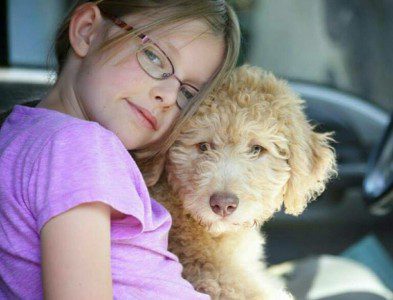
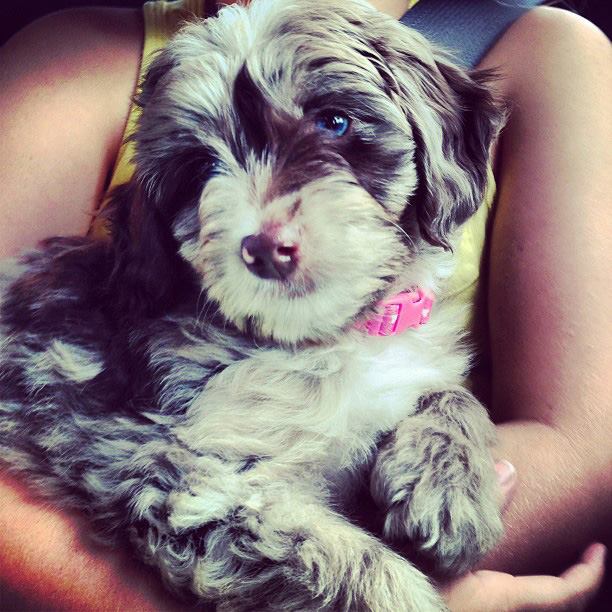
- Bring a companion: Have one adult drive while another holds the puppy on their lap. Although crates are the safest option for travel, making an exception for the first ride can help ease the puppy’s nerves.
- Motion Sickness: Motion sickness is extremely common for young puppies, especially for the first few car trips, so please come prepared.
Puppy Trip Essentials:
- Towel to Put on Your Lap
- Paper Towels, or Baby Wipes for Clean-up
- Plastic baggies for trash
- Small Chew or Toy for Distraction.
- Small Travel Crate, (for longer drives only)
- Small Bottle of Water and Bowl (for longer drives only)
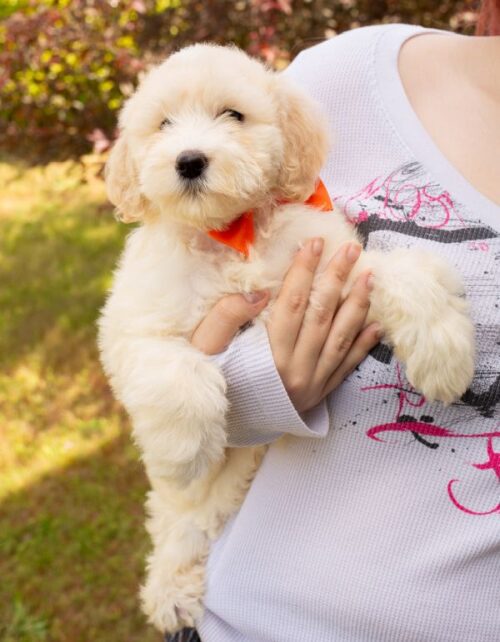
Will My Puppy Be Sad To Leave Their Mom?
Yes, Puppies bond closely with their littermates and their mothers, but Puppies are also incredibly resilient and adaptive and live in the moment. It is normal for puppies to grieve the loss of their family and they will go through an acclimation period in their new home but this stage tends to be very short-lived.
Key points to remember:
- Natural behavior: It’s completely normal for puppies to feel some sadness or anxiety when leaving their litter.
- Importance of socialization: A puppy should ideally be separated from its litter after adequate socialization with its siblings and mother to ease the transition.
- Coping mechanisms: To help your new puppy adjust, provide plenty of love, attention, consistent routines, comfortable bedding, and playtime to mimic the interaction they had with their littermates.
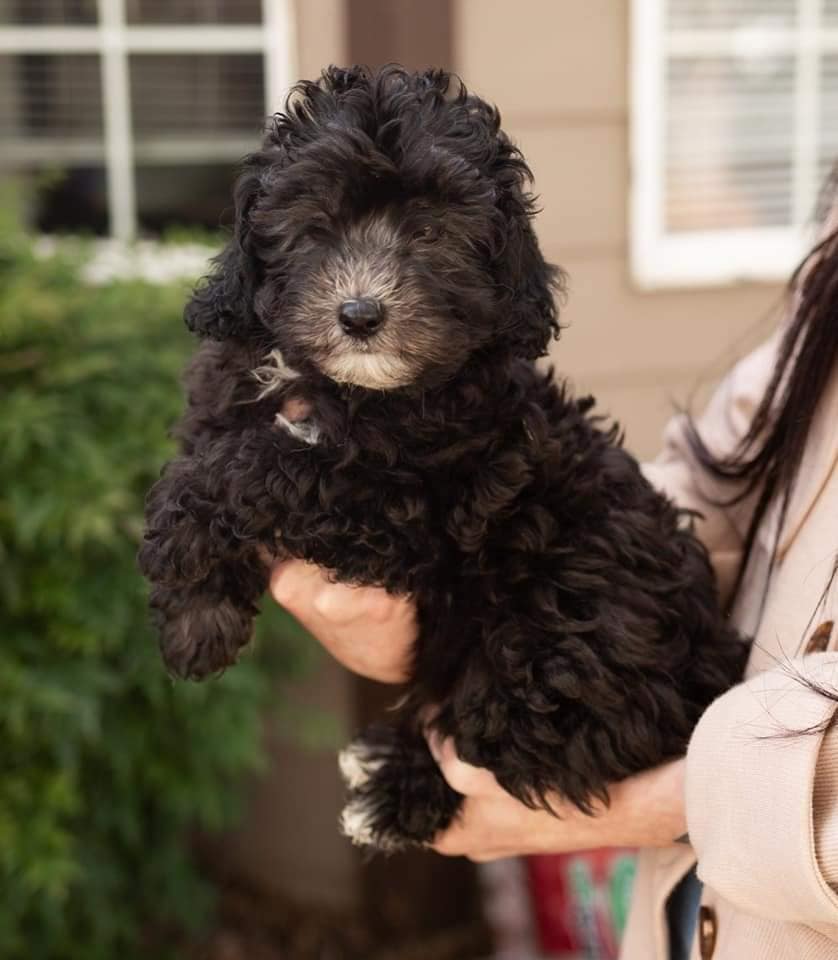

First Car Ride
- Stay calm: Speak soothingly to your puppy and keep the atmosphere tranquil. Minimize loud noises and abrupt stops.
- Watch for car sickness: Signs include drooling, lip licking, and heaving. A towel underneath the puppy makes cleanup easier if needed.
- Limit stops: If it’s a long trip, allow brief potty breaks every hour but to protect your puppy’s health avoid areas heavily trafficked by other dogs, such as rest stops, parks, etc.
- Head straight home: Skip visits to friends, relatives, or crowded places. The puppy needs peace and familiarity during this critical adjustment period.
Dog Introduction Tips:
- Gradual introduction: Don’t rush the initial meeting. Let the dogs see each other from a distance first, with a leash and barrier between them, gradually decreasing the distance as they get used to each other’s presence.
- Vaccinations: Make sure your adult dog is up-to-date on vaccinations.
- Temperament: Consider your adult dog’s temperament and potential for aggression.
- Neutral location: Introduce the dogs in a neutral location (front yard) so your adult dog doesn’t feel threatened or on guard.
- Positive reinforcement: Reward calm behavior with treats and praise when the dogs are near each other, even if they aren’t actively interacting give them time.
- Reassure the older dog: Spend time with your older dog and reassure them that they are still your baby.
- Manage interactions: Always supervise interactions between the dogs, especially in the beginning. Intervene if you notice any signs of aggression or discomfort.
- Puppy exuberance: Puppies can be overwhelming with their high energy and playful behavior, so ensure the adult dog can retreat if needed.
- Use a gate: Use a see-through gate to help your puppy feel safe.
- Never force two dogs to interact, sometimes dogs will just peacefully coexist but they won’t become best friends. Sometimes they become best friends. It all depends on your dogs.
Puppy-proofing Your house:
Before bringing home a new puppy, you are going to want to make sure that your house is puppy-proof. Puppy-proofing your house before your puppy comes home can prevent them from sniffing out a whole bunch of trouble.
Electrical Hazards:
- Cover outlets: Use outlet covers to prevent your puppy from licking them and getting hurt
- Secure cords: Use cable management and protection like zip ties, pet cord protector covers, or PVC
- Keep wires out of reach: Keep wires behind furniture and flush with walls
Small objects:
- Remove choking hazards: Remove small toys, knick-knacks, and batteries
- Store harmful items: Store cleaning products, medications, and other harmful items out of reach
Physical boundaries:
- Use gates and pens: Use gates and pens to restrict access to certain areas
- Secure furniture: Secure heavy furniture and tie up window treatments
- Lock trash cans: Use locking lids or childproof latches on trash cans and diaper pails
New Puppy Supplies:
- Food and water dishes.
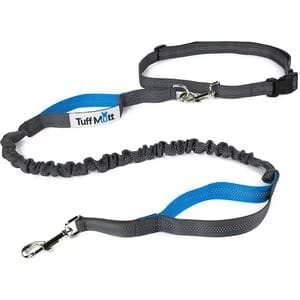
- Leash, collar, and a comfortable bed or crate.
- Toys to mimic littermates and keep your puppy entertained.
- Dog tag with contact info
- Check out our page on Puppy Supplies we recommend buying!
The First Day Home with Puppy!
- First, introduce your puppy to the front yard to see if they need to go potty.
- Create a calm environment: Bring the puppy into a quiet room with minimal distractions. Avoid overwhelming them with too many people or activities. This is NOT the best time to invite over your friends and neighbors to meet your new baby, there will be plenty of time for introductions and something I also highly recommend!
- Socialize them with as many new people as possible during the first few months home and getting friendly with the neighbors is a great way to socialize your puppy – just not the first day home. Give it a couple of days.
- Allow exploration: Let your puppy roam and sniff its new surroundings under close supervision.
- Show your puppy their designated area and their food and water dish.
- Limit interactions: Visitors can wait. Give your puppy time to adjust to his new environment and family members before introducing them to new faces!
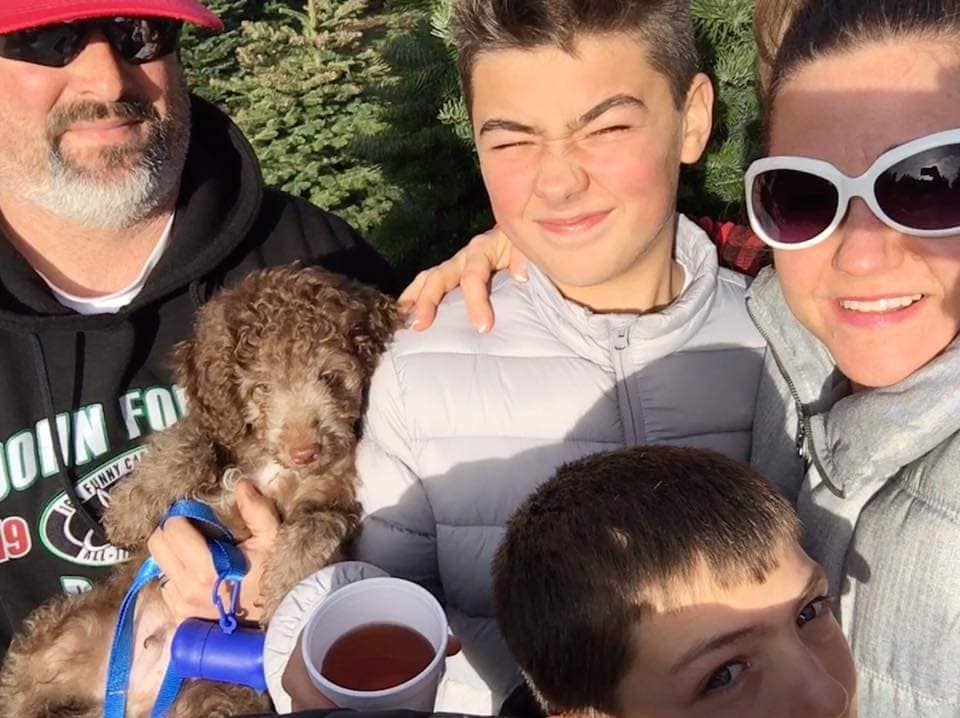
Most Common Puppy Mistake
The biggest mistake we see new puppy owners make the first week is feeding their puppy a new dog food or overdoing it with the puppy treats!
Because as humans, we LOVE to feed animals, especially baby animals but in this situation, it will only be to the detriment of your floors! Stick to a schedule and keep treats dime size, for training purposes only.
IMPORTANT: Rapidly switching dog food formulas can cause severe stomach upset and in the worst-case scenario a couple of days’ worth of diarrhea which is never fun… but especially not on day one with your new puppy.
If you decide you want to transition them to a different brand of dog food, just do it gradually by mixing the old food with the new food for a week.
For more information on how to gradually switch dog food, read our blog post on how to transition your puppy to a new dog food.
Treating for Puppy Diarrhea
- Feed them a diet of plain-cooked white rice with some chicken for a few days and no dog food
- Add a spoonful of pumpkin puree (not pumpkin filling)
- Once your puppy feels better, gradually reintroduce their regular food
- If they don’t get better in a few days you can try treating them for Giardia using Safe-Guard Dewormer
- Giardia is a microscopic parasite that causes diarrhea, gas, stomach pain, nausea, and vomiting and can be treated with an over-the-counter dewormer called Safe-Guard. This is the only dewormer that works for Giardia.
When to Go to The Veterinarian
Just know most episodes of puppy diarrhea are not serious but it’s important to know when to know it’s become serious. As a general rule, if your dog’s diarrhea is accompanied by other signs then you should contact your vet for advice or at least call them to discuss the symptoms.
Warning Signs include:
- Blood in their stools
- Black and tarry stools
- Very frequent diarrhea
- Diarrhea that has lasted for two to three days
- Lethargic
- Off their food
- Signs of pain
- Puppy has a temperature exceeding 103°F
What are the signs of Canine Parvovirus?
- Lethargy.
- Loss of appetite.
- Vomiting.
- Severe, often bloody, diarrhea.
- Abdominal pain and bloating.
- Fever or low body temperature (hypothermia)
First Week Home Puppy Do’s:
- Gradually introduce the puppy to its new surroundings and routines.
- Use kindness and consistency when housebreaking and training.
- Shower your puppy with love and patience.
New Puppy Don’t’s:
- Don’t allow exposure to unvaccinated animals until your puppy’s immunity is fully developed (around 16 weeks).
- Stay away from heavy-dog traffic areas like parks, beaches, campgrounds, etc.
- Don’t pick the puppy up by the scruff of the neck, scoop them up.
- Don’t encourage rough play or tug-of-war games. Play training games!
Quick Puppy Bonding Games!
Quick 3-minute dog training games with video links: you can try “Fetch“, “Look at Me Training“, “Sit-Stay,” “Recall,” “Name Game“, or “Scent Work Game” (hiding a treat with a specific scent for them to find).